
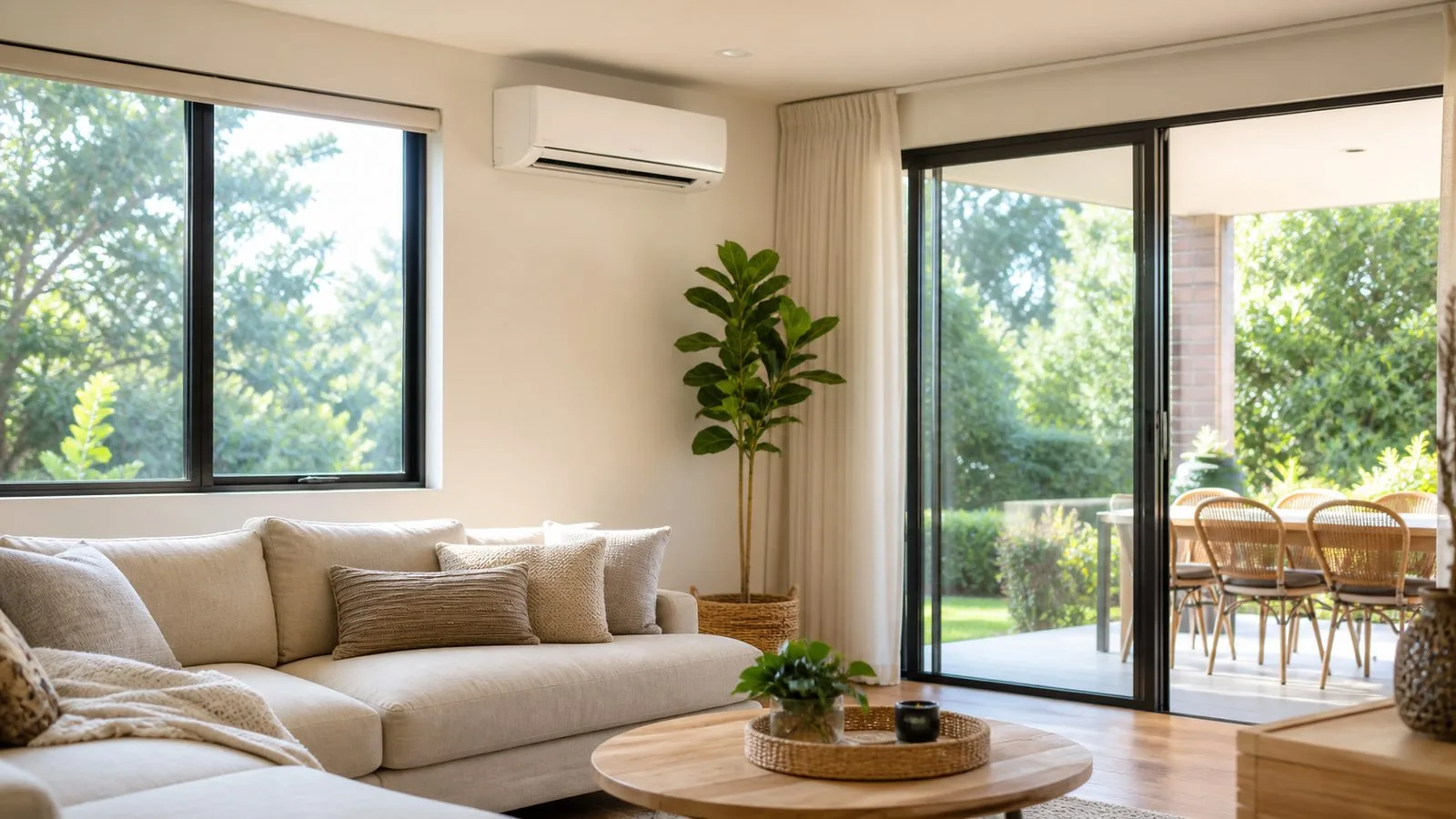
Prepare the handover while agreeing on the job
Ask what the installer will demonstrate before work starts. The handover should connect the equipment to your household's normal routine, not simply leave a remote control on the kitchen bench. Write down the rooms you want comfortable, the times they are used and any concern that prompted the installation. Keep that list with the agreed scope.
For a Pakenham homeowner, the useful questions are specific to the house: whether bedroom doors close at night, where the desk sits and which controller another resident can use. A generic checklist can prompt those questions, but it cannot confirm that your particular installation is complete. Agree on the practical use cases that matter to you.
Set aside time to attend the demonstration or nominate someone who will operate the system. If access or timing makes that difficult, arrange a clear alternative before installation day. A video of the controls can help as a reference, but it should not replace an opportunity to ask questions about the rooms and settings that remain unclear.
Compare the visible work with the agreed scope
Walk through the areas affected by the job from safe floor or ground-level positions. Compare indoor and outdoor equipment locations with the agreed plan. Look at visible pipe covers, penetrations and finishing work without opening panels or entering restricted spaces. Ask about differences while the installer is present so the explanation can be recorded.
Check whether included removal, making good or disposal work has been completed. If the quote excluded a particular finish or another trade is responsible, identify that clearly. A disagreement often starts because one person assumed a task was included while another treated it as separate. The written scope is the reference point for resolving that uncertainty.
Photograph the completed visible work and any unfinished item. Keep the photographs factual and avoid labelling an unfamiliar detail as a defect before it is explained. If an item needs correction or further assessment, record who will handle it and the proposed next step. A specific list is easier to follow than a general note that something looked untidy.
Learn normal controls before advanced features
Start with turning the system on, selecting heating or cooling, choosing a fan setting and changing the target temperature. Ask the installer to explain what the display shows: a setpoint, a measured temperature or another status. Then perform the normal sequence yourself. A demonstration is more useful when it proves you can operate the system without guessing.
For a wall split, include louvre direction and any swing setting. Show where people sit or sleep and ask how to avoid an unwanted direct draught. For ducted equipment, identify zone names, active sensors and any required open zones. For multiple indoor heads, clarify which controls affect only one room and which settings are shared.
Leave timers, schedules and app features until the basic operation is understood. A complicated schedule can make a new system appear unresponsive when it is simply following a forgotten instruction. Ask how to cancel an unwanted timer and return to ordinary manual control. Record the normal starting settings before experimenting with optional features.
Demonstrate the rooms as they are actually used
A system running while every internal door is open may not represent overnight use. Ask for the usual sleeping arrangement to be considered, including doors, beds and active zones. For a home office, sit at the normal desk position. Comfort should be discussed from the occupied part of the room rather than only underneath the outlet.
With ducted equipment, ask for the smallest intended zone combination as well as the busier daytime combination. Confirm what happens when a zone switches off and whether another area must remain open. If the installation includes room sensors, identify which sensor is active and how competing requests are handled. Keep any operating limits in writing.
For evaporative cooling, the demonstration should cover the model's appropriate relief-air arrangement and usable openings. For refrigerated systems, ask how the intended room boundaries affect operation. Do not transfer one system's window routine to the other. If the home has both, request a clear explanation of how the household should change between them.
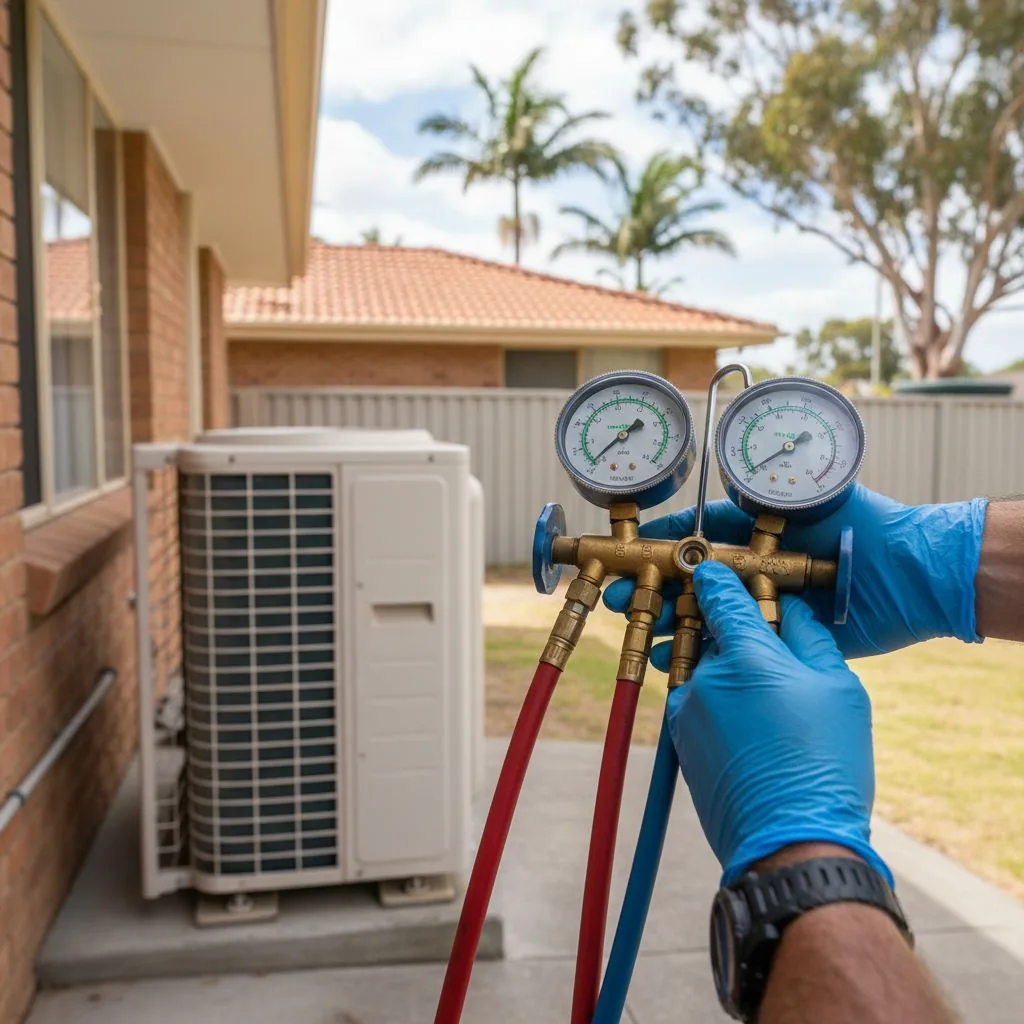
Ask what commissioning established
The installer should explain the relevant checks completed for the equipment and work involved. Ask for the commissioning or installation information that accompanies the job. You do not need to perform technical tests yourself, and a homeowner walkthrough is not a substitute for the installer's responsibilities. The point is to know what has been checked and what records are available.
A cold or warm outlet demonstrates only part of operation at that moment. Ask whether the system has been set up for the installed arrangement and whether any conditions limited testing. Different weather may prevent a meaningful demonstration of a complaint that occurs only on a hot afternoon or cold morning. That limitation should be recorded rather than concealed by a broad assurance.
Avoid asking for a universal pressure or temperature number from the internet. Test interpretation depends on equipment, conditions and method. Ask instead whether the results met the relevant manufacturer requirements and whether anything remains unresolved. If further checking is needed, obtain a clear description of the next step and who is responsible.
Understand water and drainage observations
Cooling can produce condensate that needs a suitable drainage route. Ask the installer to show or explain the intended route from safe access points, including any component that needs future servicing. The household should know what ordinary operation looks like and which unexpected observations should be reported.
Do not pour water into equipment, disconnect drains or open panels to check the work yourself. If water appears somewhere unexpected, record where and when it occurs, stop using the equipment if appropriate and contact the installer. A photograph of the location and controller settings can help describe the issue without making an unsupported diagnosis.
If a drainage pump is included, ask about access, ordinary operating sounds and the response to a fault indication. The same applies to any equipment feature the household has not used before. Understanding these items at handover reduces the chance that a normal sound is mistaken for a fault or a genuine warning is ignored.
Keep documents organised by equipment and room
Request the indoor and outdoor model details, manuals and installer contact information. For multiple units, label the room each model serves. Include controller information and relevant installation or commissioning documents provided for the work. A folder organised by room is often easier to use later than a pile of similar-looking manuals.
Read the actual warranty and maintenance documents for the installed equipment. Ask which tasks are user responsibilities, which need a service provider and how service records should be kept. Do not rely on a general statement that every brand has identical terms. Keep product registration details where applicable, but avoid confusing registration with a complete record of the installation.
If any document is to arrive later, list it as outstanding with the person responsible. A promise to email everything can be forgotten if nobody records what everything means. The final folder should let a future technician or homeowner identify the equipment and understand the arrangement without reconstructing it from old text messages.
Confirm app ownership and local control
If an app is part of the system, confirm that the household has the intended access and can use it on its own account. Avoid leaving routine control dependent on an installer's personal login. Ask how to add another authorised household member and how access can be removed if the property changes ownership or occupancy.
Check what remains usable when the internet is unavailable. A local wall controller or remote may provide essential functions, but the details depend on the equipment. Ask for a demonstration or explanation rather than assuming every app feature works offline. Keep the local operating instructions accessible to anyone who needs them.
Do not publish account credentials in a household handover sheet that might be shared with trades. Record the account owner and recovery process separately from sensitive login information. The useful handover result is that the resident can control the installed equipment and understands who has access, without creating unnecessary dependence or confusion.
Use a hypothetical evening problem to plan follow-up
Imagine a hypothetical Officer household receiving a new ducted system during a mild morning. The initial demonstration appears satisfactory, but the concern was always a bedroom used in the evening with its door shut. The handover should record that condition and show the intended zone arrangement, even if the weather cannot reproduce the full cooling demand.
The household can then observe an ordinary evening and record the mode, settings, active rooms and door positions. If the bedroom remains uncomfortable, the report to the installer is specific. It does not need a guessed diagnosis such as low refrigerant or an undersized compressor. The observation is enough to begin a focused follow-up assessment.
Agree on the contact route for those observations before the installer leaves. Ask what information helps and how an unresolved issue will be reviewed. This hypothetical example illustrates a practical follow-up process, not a promise of response time or a claim about a completed local installation.
Finish with a clear outstanding-item record
Separate completed work, questions answered and items still needing action. For each outstanding item, write a plain description, the responsible party and the proposed date or next contact. Examples include a missing manual, an agreed finishing task or a room requiring another assessment. Do not mark an item complete merely because it has been discussed.
Retain the original scope and the final changes agreed during installation. If a variation affects equipment location, control behaviour or future access, update the household record. The person using the system six months later should not have to remember a conversation held beside the van on installation day.
Use the brief tool below before the visit to select the system type, likely demonstration limits and missing information. Download it and bring it to handover. The result is a concise agenda you can work through yourself, with space for observations. A successful handover leaves the household able to operate the system and clearly identifies anything still requiring attention.